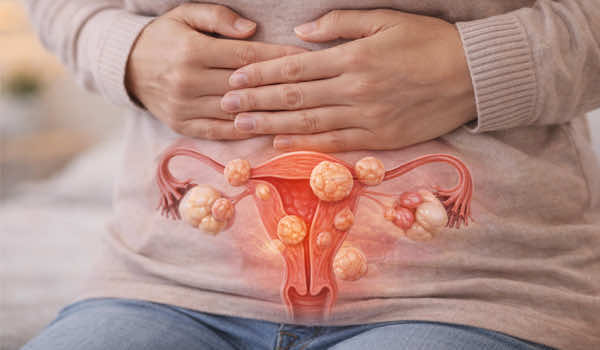
Uterine fibroids are common, non-cancerous growths that form in or around the uterus. Many women live with fibroids without realising it, while others experience symptoms that affect their comfort, periods, or fertility. Fibroids can vary in size and location, which is why every case needs individual assessment.
Symptoms of Uterine Fibroids
Uterine fibroid symptoms can vary from one woman to another and may include:
- Heavy or prolonged menstrual bleeding
- Painful periods or cramping
- A pressure-like sensation in the lower part of the abdomen
- Bloating or a visible swelling in the tummy area
- Lower back or pelvic pain
- Frequent urge to pass urine
- Difficulty in conceiving or complications during pregnancy in some cases, depending on the size and location of the fibroids
What Causes Uterine Fibroids?
Causes of uterine fibroids are usually linked to a combination of factors rather than one single reason. These include:
- Hormonal imbalance, especially higher levels of oestrogen
- Family history of uterine fibroids
- Age, as fibroids are more common during reproductive years
- Genetic and lifestyle factors that may influence uterine health
- Certain types, like a subserosal uterine fibroid, which grows on the outer surface of the uterus and mainly causes pressure, bloating, or discomfort instead of heavy bleeding
Because the cause and type of fibroid can vary, proper evaluation is important before deciding on treatment.
Uterine Fibroids Treatment
Uterine fibroids treatment depends on your symptoms, age, and future pregnancy plans. Some women may benefit from medicines and regular monitoring, while others may need surgical options. When symptoms are severe or fibroids affect fertility, uterine fibroids surgery may be advised to improve quality of life and reproductive outcomes.
Diagnosis & Medical Records
- Uterine fibroids are diagnosed using clinical examination and imaging tests like ultrasound
- For medical and insurance documentation, fibroids are recorded under uterine fibroids ICD-10
- Your reports may include the ICD-10 code for uterine fibroids to support accurate diagnosis and treatment planning
- Each case is assessed individually to decide the most appropriate next step