
Home / Single Post
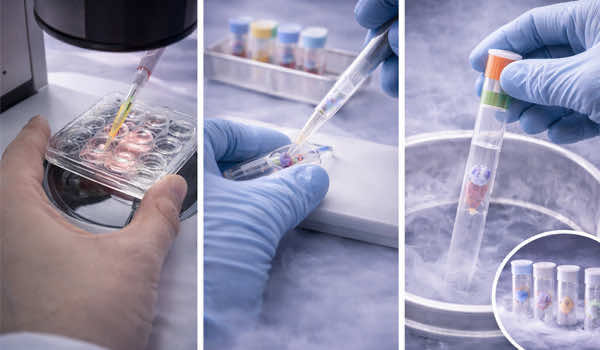
Embryo vitrification is an advanced freezing method used to preserve embryos for future pregnancy attempts. Instead of slow freezing, the embryos are rapidly cooled at ultra-low temperatures, which protects their structure and increases their chances of surviving the thawing process.
Guided by Dr Manmeet Batra’s experience as a Fertility & IVF Specialist, your embryo vitrification procedure is performed with strict adherence to vitrification protocols and full transparency throughout.
Why Embryo Vitrification Is Done
You may consider embryo freezing if you:
Embryo Vitrification Process:
Benefits of Embryo Vitrification
Dr Batra’s approach ensures that you always feel informed, comforted, and genuinely cared for throughout your fertility journey. Her guidance includes:

Dr. Manmeet Batra, MD, IVF Specialist, Obstetrician & Gynaecologist, offers advanced fertility care to patients coming from India and overseas.