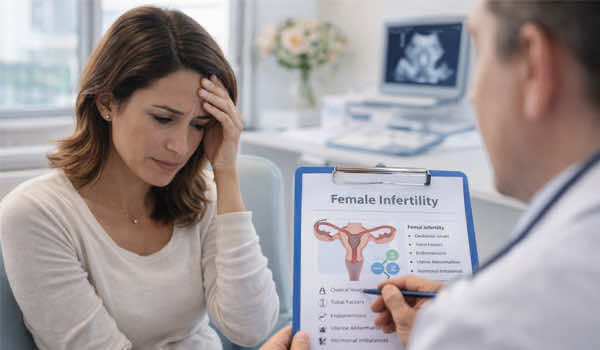
If you are finding it difficult to conceive even after trying for a year (or six months if you are above 35), then this might indicate female infertility. The good part is that most causes of infertility can be diagnosed and treated with the right medical guidance.
With Dr Manmeet Batra, you receive a thorough, personalised fertility evaluation. Instead of rushing directly to treatment, she focuses on understanding your body, your history, and your concerns so every step feels clear and supportive.
Symptoms of Female Infertility
Female infertility doesn’t always show clear or obvious signs. Some women have regular periods and feel completely healthy, yet still struggle to conceive. However, certain symptoms may indicate that the body needs medical evaluation:
- Irregular or missed periods
- Very heavy or very light periods
- Painful periods or pelvic pain
- Difficulty tracking or predicting ovulation
- Unexplained weight changes or excess hair growth (PCOS signs)
- Pain during intercourse
- Recurrent miscarriages
- No pregnancy after 12 months of trying (or 6 months if above 35)
Causes of Female Infertility
There are several reasons why conceiving may take longer than expected. The most common female infertility causes include:
- Ovulation Problems: Hormonal imbalance, PCOS, thyroid issues, or irregular periods can prevent regular egg release.
- Fallopian Tube Issues: Blocked or damaged tubes due to infections, previous surgeries, or endometriosis can stop the egg and sperm from meeting.
- Uterine Concerns: Fibroids, polyps, uterine septum, or lining problems can interfere with implantation.
- Egg Quality & Age-Related Decline: After 35, egg quantity and quality naturally reduce, making conception harder but still possible with the right treatment.
- Endometriosis: This condition affects the uterus, ovaries, and tubes, often leading to pain and fertility challenges.
- Unexplained Infertility: Sometimes, all reports look normal, yet pregnancy doesn’t happen. In such cases, advanced fertility support helps improve chances.
How Female Infertility Is Diagnosed
Diagnosing female infertility involves a gentle, step-by-step approach. This may include blood tests for female infertility, hormone evaluations, ultrasound scans, AMH testing, ovulation tracking, tubal assessment, and semen analysis for the partner. Your complete diagnostic plan is overseen by Dr Manmeet Batra.