
Home / Single Post
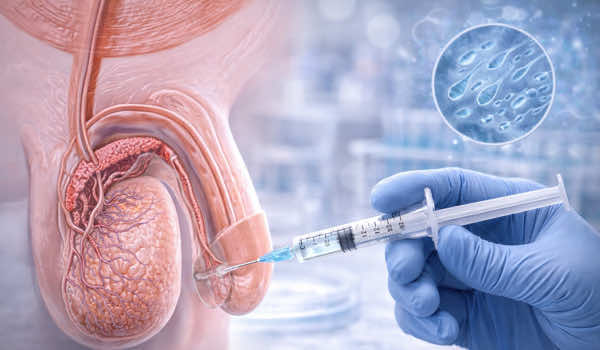
Intracytoplasmic Sperm Injection (ICSI) and Intracytoplasmic Morphologically Selected Sperm Injection (IMSI) are advanced fertility procedures used when sperm quality, sperm count, or fertilisation issues prevent natural conception. Both treatments support the fertilisation process by directly injecting a single healthy sperm into a mature egg. This approach gives far greater accuracy and is particularly useful for male-factor infertility.
What is ICSI?
ICSI (Intracytoplasmic Sperm Injection) is a specialised IVF technique where a single motile, healthy sperm is selected and injected directly into an egg. This method bypasses barriers such as poor motility, low count, or difficulty penetrating the egg. That’s why it’s regarded as a highly reliable option for male-factor infertility.
ICSI is commonly recommended when:
What is IMSI?
IMSI (Intracytoplasmic Morphologically Selected Sperm Injection) is an enhanced form of ICSI where sperm are examined under extremely high magnification (up to 6000x). This allows selection of sperm with the best structure and morphology, improving the chances of fertilising the egg and supporting embryo quality.
IMSI is often recommended when:
Fertility Review & Procedure Planning
Firstly, Dr Manmeet Batra reviews your medical history, semen analysis, hormonal profile, and previous fertility treatments. Based on this evaluation, the most suitable technique—ICSI or IMSI—is chosen to support fertilisation and embryo development.
After the consultation for male fertility treatment, the ICSI/IMSI cycle moves forward with a structured procedure. Once the cycle begins, the process typically involves the following steps:
The cycle begins with controlled ovarian stimulation to help the ovaries produce multiple mature eggs. Ultrasound monitoring and hormone tests guide dosage adjustments throughout the cycle.
Once follicles reach the required size, a minor procedure is performed to collect the eggs. This is done under ultrasound guidance in a controlled environment.
A semen sample is collected and prepared in the laboratory.
A single selected sperm is carefully injected into each mature egg using micromanipulation tools. This step directly supports fertilisation in cases where sperm may be unable to penetrate the egg naturally.
Fertilised eggs (embryos) are cultured in the laboratory for several days. Their growth and development are closely monitored.
A selected embryo is carefully transferred into the uterine cavity. This procedure is quick, painless, and does not require anaesthesia.
A beta hCG blood test is done after approximately fourteen days to confirm pregnancy.

Dr. Manmeet Batra, MD, IVF Specialist, Obstetrician & Gynaecologist, offers advanced fertility care to patients coming from India and overseas.